Digital transformation has become one of those phrases every business leader hears regularly, yet the tangible meaning often gets lost behind jargon and hype. The problem isn’t the concept; it’s the noise surrounding it. Real organizations aren’t trying to become “next-gen digital ecosystems”—they’re trying to reduce manual errors, cut costs, improve team performance, serve customers better, and generate more profit. Those outcomes don’t require a marketing dictionary; they require practical steps.
Clear Objectives Beat Fancy Technology
Companies frequently rush into technology purchases without defining what success looks like. Before implementing any tools, the most effective digital strategies start by identifying bottlenecks. Ask simple questions: Where do we waste time? Where do customers get frustrated? What could we automate without disrupting workflows? These questions draw out more meaningful answers than industry hype.
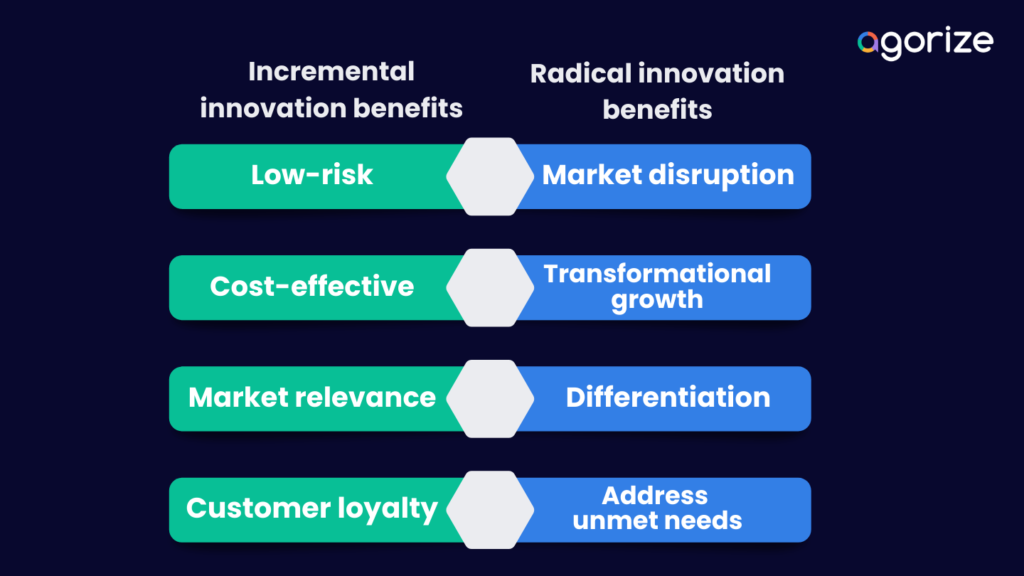
In reality, incremental improvements usually outperform grand transformations. Digitizing paperwork, implementing scheduling software, or centralizing customer data each represent small but powerful shifts that improve efficiency. These wins build momentum without overwhelming teams.
The Human Element is the Real Driver
Digital change isn’t about machines replacing people; it’s about helping people operate at a higher standard. For example, customer service teams empowered with shared CRM data resolve issues faster. Operations teams using real-time dashboards make smarter decisions. Remote workers with collaborative communication software reduce misalignment and email sprawl.
When employees feel included in changes, adoption skyrockets. Conversely, the most expensive platform becomes useless if no one knows how or why to use it. Digital transformation should be a process built with workers, not imposed upon them.
One Practical Paragraph for the Keyword
As organizations encounter increased competition and rising expectations from customers, many leaders turn to digital transformation consulting as a structured pathway to uncover inefficiencies and implement tech improvements without derailing day-to-day operations. The right consultant focuses on clear, measurable outputs rather than buzzword-heavy frameworks that confuse teams and stall progress.
Data, Not Opinions, Should Shape Priorities
Data analytics plays a decisive role in reducing guesswork. Without data, leaders make decisions based on intuition and seniority—methods that rarely scale. With data, decision-making becomes more objective: trends reveal customer behavior, software logs expose workflow bottlenecks, and dashboards make patterns visible. The benefit is tangible—organizations spend less time debating and more time improving.
However, data collection must be purposeful. Hoarding data without context only increases noise, not clarity. The goal is better insight, not bigger spreadsheets.
Automate What’s Repetitive, Not What’s Complex
Automation is often framed as futuristic, yet its most useful applications are remarkably simple. Scheduling reminders, invoice generation, onboarding checklists, lead routing, and inventory alerts are obvious candidates. They reduce repetitive manual tasks, lower error rates, and free employees to do more strategic work.
The mistake companies make is assuming automation should immediately tackle edge cases or nuanced decision-making. Those areas are difficult for machines and typically low in ROI. Start with high-volume repetitive tasks and expand gradually.
Cloud Tools Enable Flexibility and Resilience
From collaboration platforms to accounting software, cloud-based tools have lowered the barrier to adoption. Small and mid-sized companies benefit most, gaining access to capabilities that once required enterprise-level IT budgets. The pandemic accelerated acceptance of remote-access tools, proving modernization isn’t optional—it’s foundational for resilience.
Cloud adoption also flattens organizational hierarchies by democratizing access to information. Teams no longer need to request data from IT; they simply pull it from shared dashboards. These seemingly small improvements reduce friction and speed reaction times.
Real-World Case Studies Drive Real-World Understanding
News cycles and industry thought leadership contain plenty of examples demonstrating how applied digitization—not hype—moves the needle for companies. Research consistently shows improved productivity, higher customer satisfaction, and better employee retention in organizations that modernize workflows thoughtfully rather than dramatically.
The Finish Line Is Not a Destination
Digital transformation is a mindset, not a milestone. Consumer expectations shift, tools evolve, and competitors adapt. Businesses that keep improving in small increments not only future-proof their operations but outperform peers who are waiting for the “perfect moment” to modernize.
The takeaway is straightforward: ignore the buzzwords, focus on the wins. Progress beats perfection every time.