
The next era of competitive strategy is being written in real time, powered by artificial intelligence, automation, and digital operating models that compress decision cycles, reduce friction, and unlock scale without comparable increases in cost. For businesses across industries, the shift is less about technology itself and more about the capabilities that technology enables: speed, precision, personalization, flexibility, and strategic leverage.
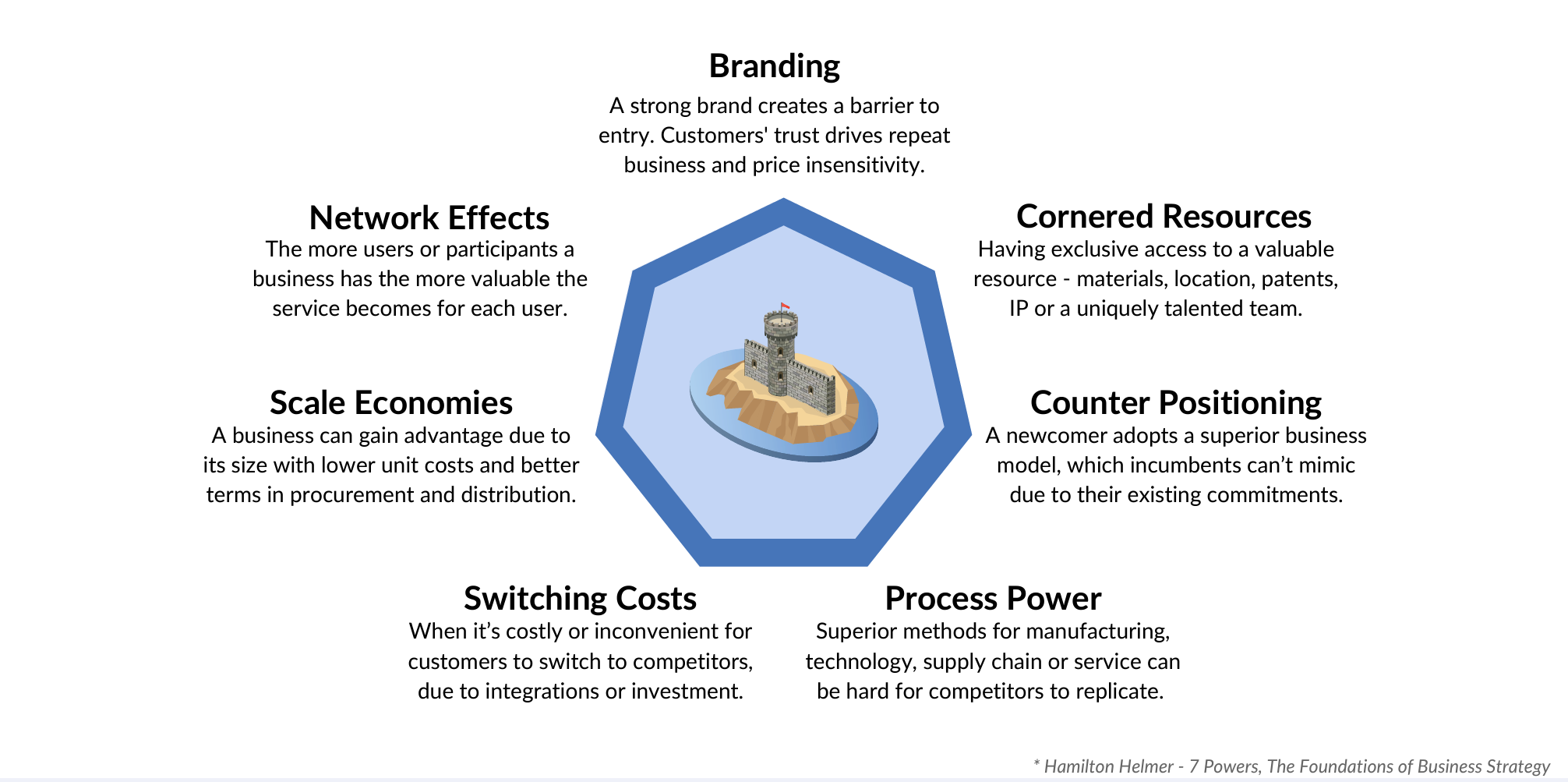
The organizations winning today are not simply digitizing analogue processes; they are constructing digital advantage—systems and workflows where each improvement compounds the next. If competitive strategy pre-2010 was primarily about resources, positioning, and brand, competitive strategy in the late 2020s increasingly revolves around intelligent systems design.
The New Competitive Levers: Speed, Insight, and Optionality
AI has accelerated the speed at which businesses learn and adapt. Real-time insight now influences tactical decisions once left to quarterly reviews. Optionality—the ability to switch strategies, customer segments, pricing, or workflows without heavy reconfiguration—is becoming a strategic asset. Automation reinforces this advantage by reducing human dependency in operational bottlenecks and freeing talent for higher-order work.
This shift does not eliminate the importance of talent or leadership. Rather, it changes their role. Leaders must now operate as designers of systems, not just allocators of resources.
AI as an Augmented Decision Engine
The most sophisticated firms are using AI to blend operational, financial, and market data into unified decision flows. Predictive analytics helps determine where demand will arise; automation executes repeatable tasks; AI-enhanced creativity and innovation tools help conceptualize new offerings. The cycle between insight and action tightens, creating faster feedback loops—arguably the most important competitive dynamic of the digital age.
Customer Experience at Massive Scale
One of the clearest benefits of AI-enabled systems is the ability to deliver a high-touch customer experience at scale. Adaptive onboarding, intelligent communication workflows, and persistent personalization allow companies to serve more customers without increasing staff. The result is a redefinition of “service quality” itself—where customers compare you not to direct competitors but to the best digital experience they’ve ever had.
The Keyword Context
Companies exploring ways to modernize their operating models are increasingly evaluating digital transformation consulting to understand how AI, automation, and data pipelines reshape their competitive strategies. The goal is not simply to adopt new tools but to build coherent digital systems that align with revenue priorities, margin structures, and growth horizons.
The Automation Layer and Human Reinvention
Automation has often been framed as a labor-replacement force, but its competitive advantage lies primarily in its ability to shift human focus. When manual tasks become automated, the human workforce reallocates its energy toward problem solving, creativity, relationship management, and innovation. These areas are difficult to automate and central to durable competitive moats.
Businesses that fail to apply automation risk more than lost efficiency; they risk freezing their talent in low-value processes. Over time, this stunts organizational learning and erodes competitiveness.
Integration as Strategy
The true differentiator is not AI or automation in isolation but the integration of both into coherent systems. Consider the evolution of enterprise software: CRM, ERP, and marketing clouds were once seen as distinct domains. Today, advanced firms connect them into a unified operating fabric—where sales data informs product strategy, product feedback informs marketing, and marketing insights inform sales outreach.
Companies that master integration compound their learning faster than competitors. Over time, this compounds strategic advantage in the same way financial compounding grows capital.
The Cost Curve Advantage
Digital advantage also manifests on the cost curve. Intelligent automation allows businesses to serve more customers without proportionate increases in variable cost. AI reduces the price of experimentation, enabling smaller companies to test ideas once reserved for industry giants. As experimentation becomes cheaper, innovation accelerates.
Where Strategy Is Moving Next
Looking ahead, competitive strategy will be less about market share and more about system share—how much of a market’s value creation flows through your digital infrastructure. In some industries this will mean becoming a data hub; in others, an automation gateway; in others, a platform for transactions, insights, or workflow enablement.
Whichever strategy emerges, the principle remains: digital operating models are becoming the foundation layer of competition.